LAKE DISTRICT COTTAGES & HOTELS
Find your Stay in the Lake District
Handpicked hotels and cottages across the Lake District.
The Best Lake District Hotels & Cottages 2026
From lakeside inns to fellside cottages, we’ve compared the best places to stay across the Lake District, by location and views.
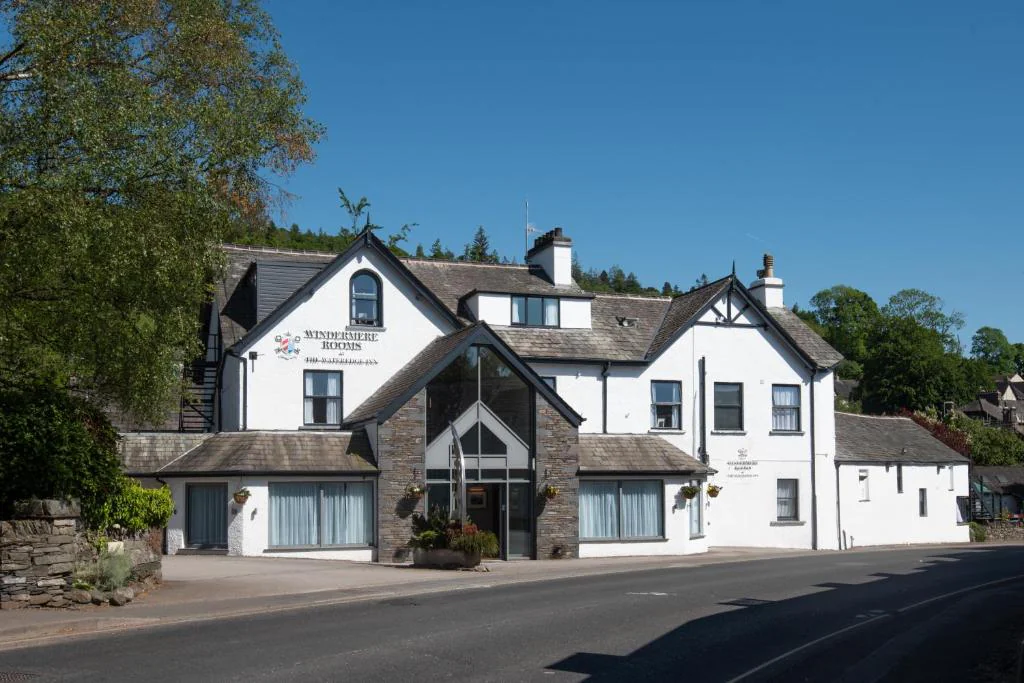
The Windermere Rooms at The Wateredge Inn
Location: Waterhead Bay, Ambleside
Price: ££
Address: Waterhead Bay, Ambleside LA22 0ES, United Kingdom
Tucked into Waterhead Bay in Ambleside, The Windermere Rooms at The Wateredge Inn put you right at the centre of the Lake District, with fells rising on one side and open water on the other.
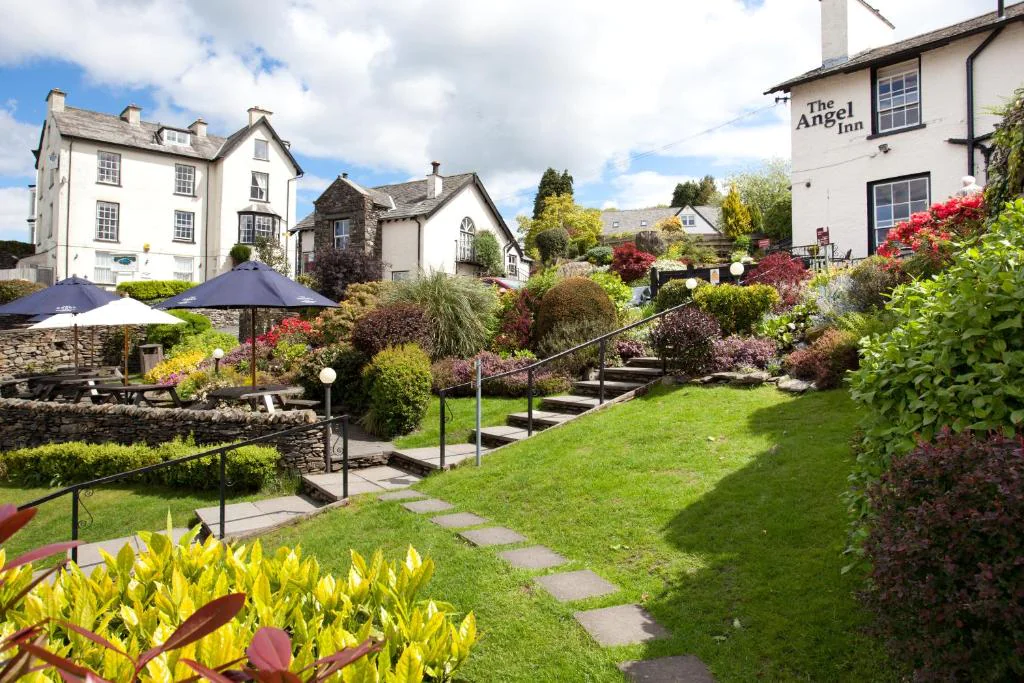
The Angel Inn
Location: Bowness-on-Windermere
Price: £££
Address: Helm Rd, Bowness-on-Windermere, Windermere LA23 3BU, United Kingdom
In the middle of Bowness-on-Windermere, The Angel Inn’s family rooms come with private bathrooms, tea and coffee facilities, and free WiFi, along with a work desk, TV, and wardrobe in every room.
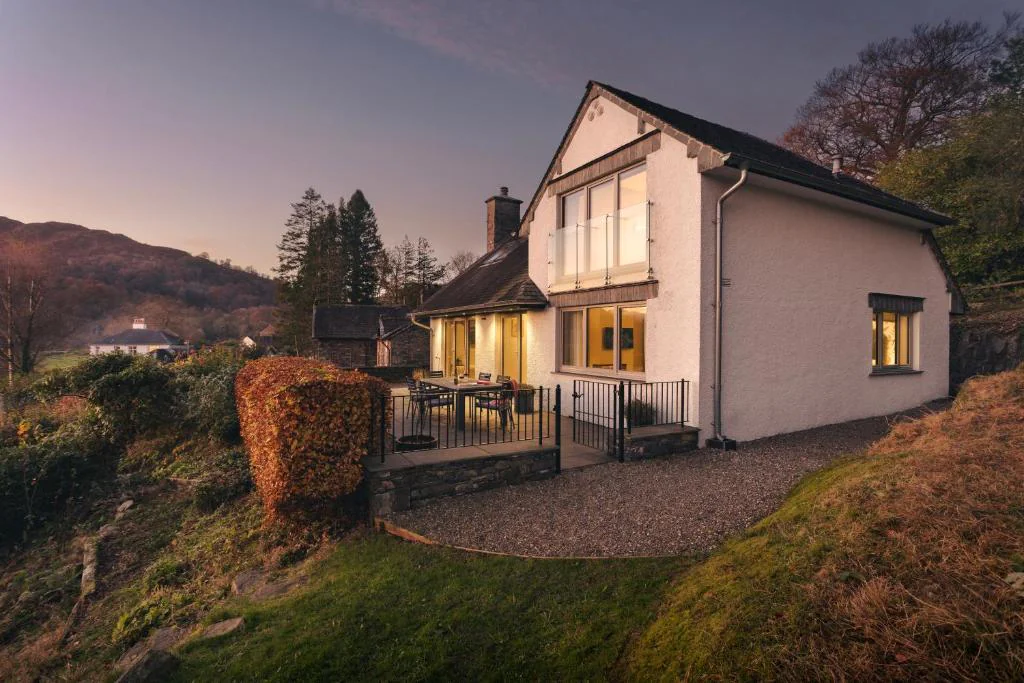
Barakat Lakes Escape
Location: Borrans Road, Ambleside
Price: ££££
Address: Borrans Rd, Ambleside LA22 0EN, UK
This Ambleside holiday home gives you three bedrooms and three bathrooms to spread out in, along with a private entrance and a fully equipped kitchen kitted out with modern appliances.
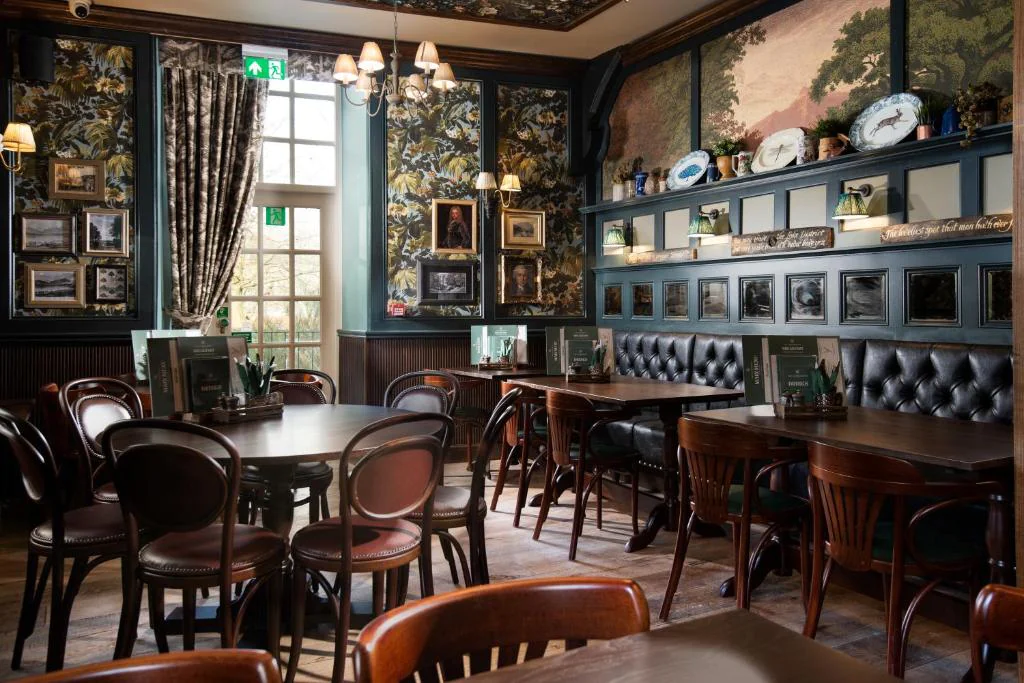
The Ullswater Inn
Location: Glenridding
Price: £££
Address: A592, Glenridding, Penrith CA11 0PB, United Kingdom
Set inside a characterful old building on the edge of Glenridding, The Ullswater Inn pairs genuine history with the kind of surroundings that make a Lake District stay memorable.
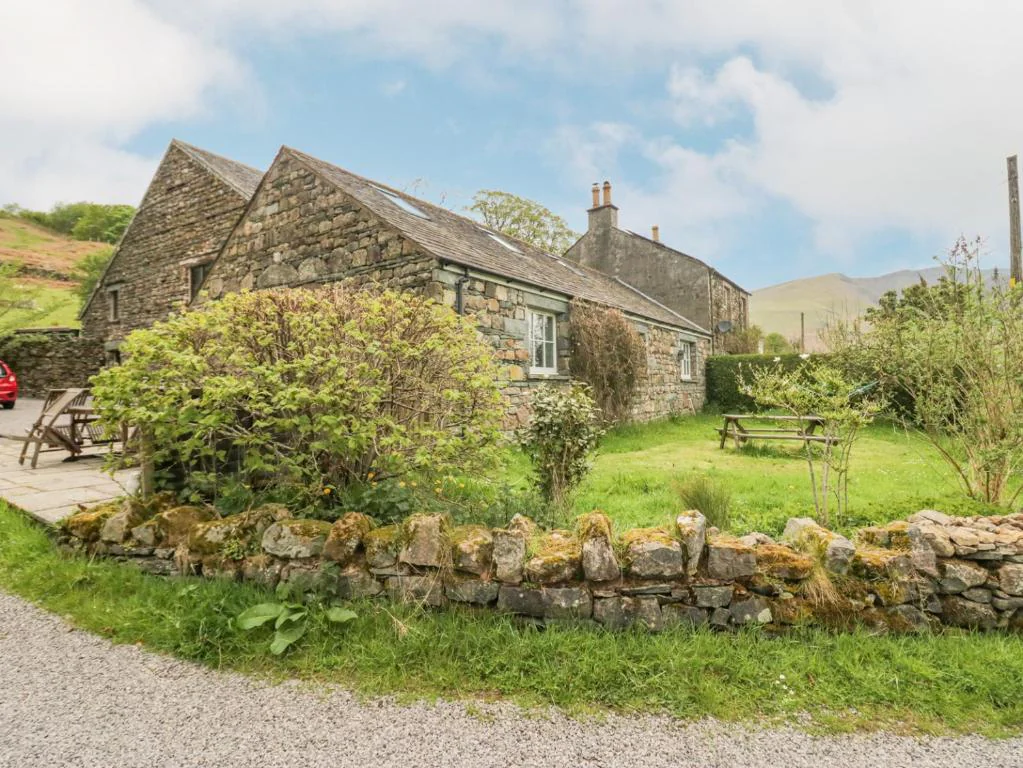
Shundraw Cottage
Location: nr. Keswick
Price: £££
Address: Farm, Shundraw, St Johns-in-the-Vale, Keswick CA12 4RR, United Kingdom
Just outside Keswick, Shundraw Cottage offers three bedrooms and a bathroom, plus a fully equipped kitchen, washing machine, and free WiFi for a proper self-catering stay.
Lake District Hotels: Choosing the Best Town for Your Trip
Before booking a hotel in the Lake District, you need to decide which part of the region you actually want to stay in. Windermere, Keswick, Ambleside, and Ullswater offer completely different experiences.
Since driving between these areas takes longer than expected, choosing the right location matters just as much as picking the right Lake District hotel.
Where you stay determines whether you’re steps from trailheads, close to public transport, or tucked away in a quiet corner of the park.
Which Town Is the Best Base for Your Trip?
The Lake District doesn’t have one obvious place to stay. Each of the main towns has its own strengths. The best choice depends far more on how you want to spend your time.
Keswick
Keswick sits right on Derwentwater’s northern edge, with fells rising in pretty much every direction. Plus, it feels lively without tipping into overrun, at least outside peak summer weekends, when it does get properly busy.
The location is what makes it work. Skiddaw rises directly above the town. Catbells is a short walk from the centre. Borrowdale is right next door. You can leave the town on foot and be climbing a fell within minutes, no car needed, which isn’t something every Lake District base can offer.
There’s more here than hiking, too. Kayaking, mountain biking, rock climbing, and paragliding are all available nearby, so it’s not just a town for people with walking boots and a map. On a rest day, there’s a theatre, independent shops, a weekly market, plenty of cafes, and pubs. There’s also a pencil museum, which is exactly as random as it sounds, and somehow still worth a mention.
A few things worth doing while staying here:
- The circular walk around Derwentwater runs roughly 10 miles, though you can cut it shorter by riding on the launch boats between jetties.
- Catbells and Latrigg are good for an easier walk. Try Skiddaw for something tougher.
- Friar’s Crag is a short stroll with one of the better lake views in the area.
Just outside town sits Castlerigg Stone Circle, one of the oldest stone circles in Britain, small and exposed but worth the short detour.
Ambleside
If your idea of the Lake District is switching between long walks, good pubs, proper cafes, and a comfortable hotel without constantly moving the car, Ambleside makes that easy. It may not be the most romantic or the most secluded base in the national park, but for a first visit, we would still put it ahead of almost anywhere else.
You’re surrounded by good walking, decent food, plenty of hotels, and enough shops to sort out the waterproof you forgot to pack.
Some people dismiss Ambleside because it’s busy, especially once school holidays begin. They’re not wrong. The centre can clog up with traffic, and you won’t have the peaceful village feel that places like Grasmere or Ullswater offer.
That said, busy doesn’t mean try-hard. It doesn’t feel like it’s putting on a show for visitors the way some prettier villages can, which after a few busy days elsewhere in the Lakes tends to come as a relief rather than a letdown.
If quiet is what you’re chasing, this probably isn’t your base.
Here’s what fills the days once you’re there.
- Climb Loughrigg Fell — Short enough for most walkers, but the views easily compete with much longer hikes.
- Walk to Rydal Cave and Rydal Water — An easy route that works well when you don’t fancy committing to a full day on the fells.
- Take on the Fairfield Horseshoe — One of the area’s classic ridge walks if you’re after a proper day’s hiking.
- Spend time around Windermere — Walk down to the lakeshore or catch a cruise if you want a slower day.
- Eat your way around town — Ambleside has one of the strongest chains of cafés, bakeries, pubs, and restaurants.
Cockermouth
The western side of the Lake District doesn’t get talked about much, and Cockermouth’s a big part of why it should. Medieval roots, a proper mix of Georgian and Victorian buildings, and a real character without the crowds that swallow up Windermere or Ambleside in July.
The village is smaller, the roads are generally quieter, and the lake never feels quite as busy, even during the summer months. It still has plenty to do, but the focus is more on walking, boating, and local history than busy shopping streets or packed waterfronts.
It’s also handy for two lakes most people never bother with. Buttermere gets called the prettiest in the region. Once you’re standing there with Fleetwith Pike towering over the water, you get why. No photo really does it justice. Bassenthwaite’s worth knowing too, mostly because it’s the only body of water in the entire national park actually called a “Lake.” Everything else you’ll hear about is a mere, a water, or a tarn.
About twenty minutes further out, you hit the Solway Coast.
There are plenty of ways to slow things down, from hiring a canoe to taking a trip aboard the restored Victorian Steam Yacht Gondola.
The walking here covers a lot of ground. Following the River Derwent toward Papcastle or Bassenthwaite is an easy one, and The Pheasant, a 17th-century coaching inn along the way, makes a good excuse to stop for lunch. If you want something tougher, Crummock Water, Grasmoor, and the walk up to Scale Force waterfall will properly work your legs.
Back in town, there’s a decent spread of independent shops, a fair few dog-friendly pubs, and Wordsworth House and Garden, where the poet actually grew up. Tucked just behind Market Street, the Derwent meets the Cocker. It’s easy to miss, and one of those small moments nobody queues up to see.
Windermere
Windermere town is where most people arrive. It’s practical rather than particularly memorable, with the railway station, supermarkets, cafés, and plenty of places to stay.
A mile downhill, Bowness is where the lake takes over. Boat cruises leave throughout the day, people queue for ice cream along the waterfront, and the streets stay busy well into the evening. It has more energy than almost anywhere else in the national park, which some visitors enjoy and others spend the weekend trying to escape.
The two effectively work as one base, a 25-minute walk apart, and most people move between them without thinking twice. This is the right choice if it’s your first time in the Lakes, you’re arriving by train, or you’d rather spend the trip on the water than up a fell.
Families do well here, too.
Don’t expect to walk straight onto a mountain from your hotel door the way you can in Keswick. What you get instead is Orrest Head, an easy climb with a proper view for very little effort, and quick access by bus or car to the bigger fells if you want more.
For anyone travelling without a car, this is genuinely one of the easiest bases in the entire national park to reach and get around.
Grasmere
Grasmere is one of the few places in the Lake District that still feels like a village. It gets busy during school holidays, but once the day-trippers head back towards Windermere, the pace changes completely. Evenings are quieter, the streets empty out, and it becomes a very different place from the one coach tours pass through at lunchtime.
That slower pace is the main reason to stay here. There aren’t dozens of restaurants, big shops, or other attractions competing for attention. Most days revolve around getting out for a walk, stopping somewhere for lunch, then wandering back into the village without feeling like another activity needs to fill the afternoon.
Ambleside is only a short drive south, Keswick isn’t far in the other direction, and several of the area’s best walks begin without needing to hunt for parking first. Helm Crag climbs almost straight out of the village, while Silver How offers a gentler route with wide views across the valley. A circuit around Grasmere Water is an easier option for days when a full hike isn’t on the agenda.
Dove Cottage is worth the short visit if Wordsworth interests you at all. It’s where he actually lived.
Compared with Windermere or Ambleside, there’s simply less happening after dark.
Ullswater
The lake stretches between small villages, with long, quiet sections in between where there’s very little except water, woodland, and the surrounding fells.
There are fewer hotels, fewer places to eat, and getting around without a car isn’t particularly easy. But in return, the atmosphere feels noticeably calmer. Even in summer, it’s possible to walk along the shoreline without constantly weaving around crowds, and the roads rarely have the stop-start traffic that builds around Windermere on busy weekends.
It’s also one of the strongest bases for walking. Glenridding is the starting point for the climb up Helvellyn via Striding Edge, while gentler routes around the lake are just as rewarding if a full-day hike isn’t the plan. The Ullswater Steamers make it easy to combine a boat trip with a walk, dropping passengers at places like Howtown before the shoreline path leads back along the water. It breaks up the day nicely without feeling like a tourist attraction built for coach groups.
Things to do in Ullswater:
- Catch the Ullswater Steamer one way and follow the lakeshore back.
- Climb Helvellyn via Striding Edge. It’s exposed in places and isn’t suitable for everyone.
- Visit Aira Force – a woodland walk leading to one of the area’s best-known waterfalls.
- Get out on the water. Kayaks, paddleboards, and small boats are available around Glenridding. Ullswater generally feels less hectic than Windermere, which makes it a good place to spend a few hours on the lake.
- Slow down for the evening. Most people staying here finish the day in a lakeside pub or their hotel restaurant rather than heading into a busy town
Our Best Picks in the Lake District
The Lake District has no shortage of hotels, but they don’t all suit the same kind of trip. Some are made for long walking weekends, while others work better for food, spa breaks, or a couple of quiet days away.
Another Place, The Lake — Ullswater
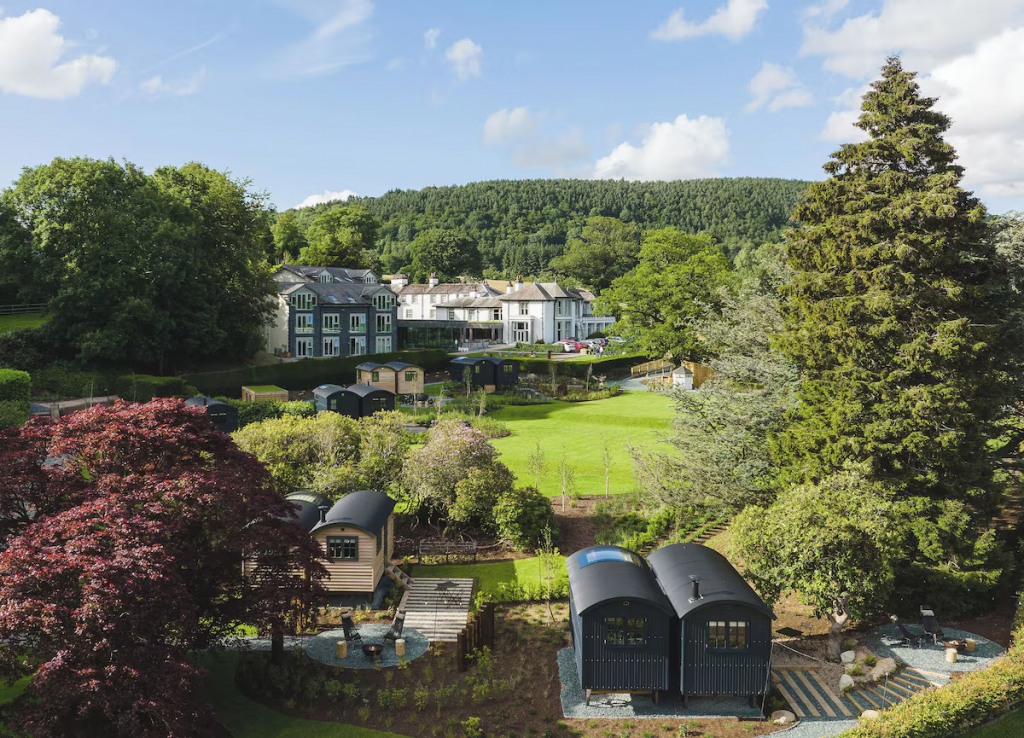
Best for: paddleboarding, wild swimming, and kayaking straight from the hotel, plus dog owners and families who want an Ofsted-registered kids’ zone.
This used to be the old, formal Rampsbeck Hotel, the kind of place where you’d think twice about wandering through reception in walking boots. That’s completely changed now. Welly boots line the entrance, wetsuits hang out to dry in the boot room, and the whole hotel is built around the idea of coming in from outside rather than dressing up for it.
Rooms are split across the original Georgian house and a newer extension, ranging from standard options through to lake-view suites with roll-top baths. The shepherd’s huts are the more interesting booking, a one-minute walk from the main building, each with a log burner, an outdoor firepit for toasting marshmallows, and a stargazing window built directly above the bed. A few of the huts have a copper bath positioned to look straight out over the water. There’s also a two-bedroom treehouse with its own outdoor bath if you’re after something different for a family trip.
The pool is another good reason to book here. It runs 20 metres, with floor-to-ceiling windows facing the fells, and there’s an outdoor hot tub alongside a proper spa menu if you fancy a treatment after a long day. Outdoor activity is really the whole point of staying, though. Paddleboarding lessons run from the hotel’s own Sheep Shed, and walking routes like Hallin Fell start right from the front door.
Dogs are genuinely welcome here. Several bedrooms allow them, and so does most of the dining.
The Borrowdale Hotel — Borrowdale, Near Keswick
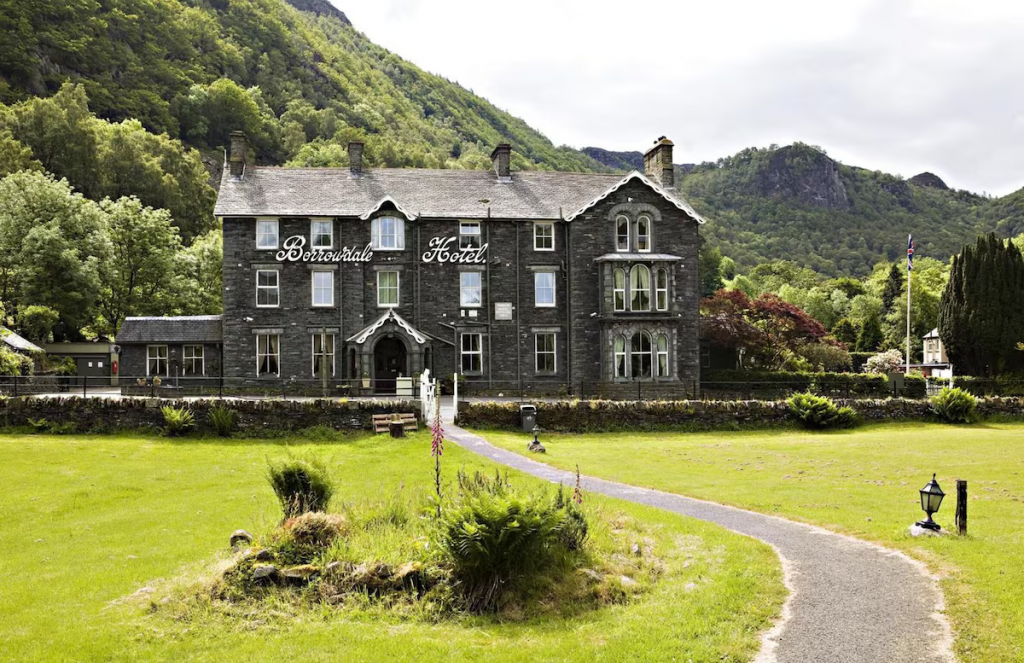
Best for: walkers, couples, dog-friendly stays, and anyone wanting a quieter base close to Keswick.
Four miles south of Keswick, this one’s a proper old coaching inn that’s grown well beyond its original borders, extended out into the surrounding outbuildings and cottages over the years without losing the character of the original building. It belongs to the Graves family’s small group of Lake District hotels, and they’ve been working through a refurbishment gradually enough that the original 41-room bells are still hanging in the hall.
The rooms tell you exactly which stage of that refurbishment they’re at. Older ones go for a fairly traditional look, with patterned carpets, wood-veneer furniture, muted colours. Newer ones are brighter and more contemporary. You’ll see pale wood and bigger artwork on the walls. Both types are a decent size; most come with a bath as well as a shower. Nearly every room looks out over either the fells or Derwentwater.
Downstairs is where the building’s history really shows through. The main bar hangs onto its original parquet floor, dark oak panelling, and a working fireplace that gets plenty of use on cold days. Right off it, there’s a bright, glass-roofed conservatory filled with Lloyd Loom armchairs, plus a few quiet, fire-warmed lounges scattered throughout if you want to sink into a sofa with a book. Out back, a massive terraced garden opens up toward the fells. It’s perfect when the Cumbrian weather actually decides to play along.
The practical details are spot on: printed trail maps in the rooms, a dedicated drying room for wet gear, and locked bike storage. Dogs are fully welcomed too (£15 gets them treats, beds, and a spot next to you in the conservatory).
When you’re ready to step outside, you’re right on the road leading into Borrowdale, with low-level walks along the river or the lakeshore starting right from the front door. If you want a bigger challenge, Great Gable, Blencathra, and Skiddaw are all doable as full-day hikes, while Keswick, with its market, shops, and lake launches, is just a ten-minute drive down the road.
Lodore Falls Hotel & Spa — Borrowdale, Near Keswick
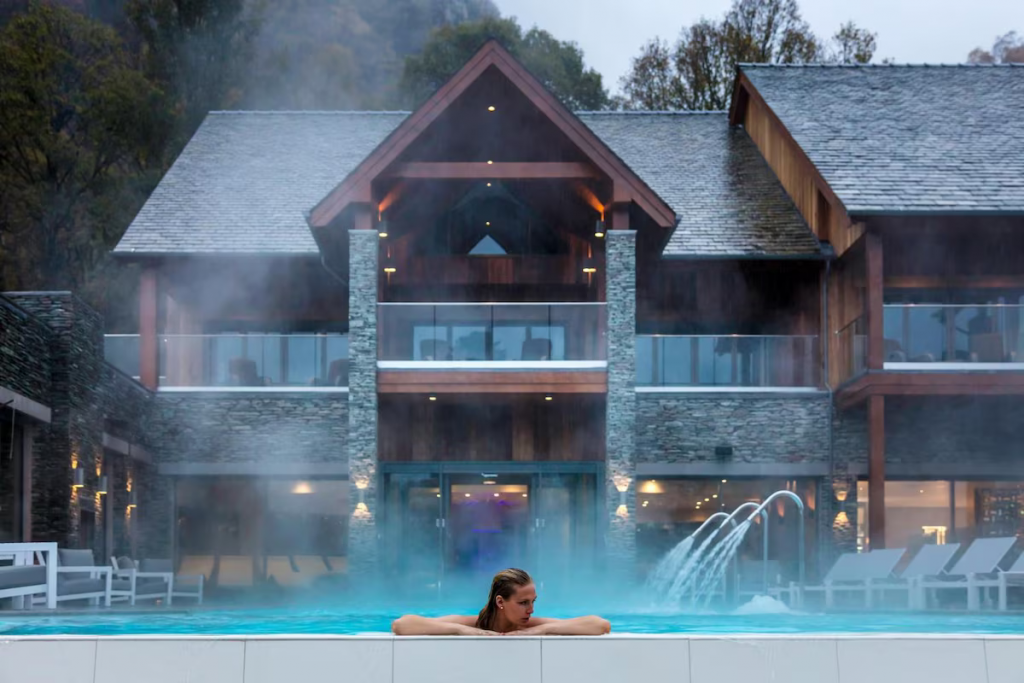
Best for: spa breaks, couples, and short luxury stays.
You’ll find this place opposite the southern tip of Derwentwater, in the most scenic valley in the National Park. From the road, the main structure is classic Victorian — dark slate, tall gables, and a central tower that would’ve blended in with every grand Lakeland hotel a century ago. Inside, they’ve cleared out the fussy clutter older properties hang onto out of habit, replacing it with soft greys, pale wood, and mirrored pillars. They’ve also added a separate lodge-style wing next door housing the spa and main suites.
The spa is the main reason most people book here: Elemis treatments, a full thermal suite, a champagne bar, and an outdoor hydrotherapy pool. The catch is that it isn’t included in your standard room rate. Unless you’ve paid for one of the top-tier Lake Suites, you have to pay an extra entry fee to get through the door.
Across the main house and the lodge, there are 87 rooms in total. They drop the traditional country-house chintz for neutral greys, creams, and clean-lined pale timber.
Most bathrooms are shower-only rather than bath and shower combined, which matters if a long soak is part of your idea of a relaxing weekend. The bigger frustration is the view situation; most rooms face fells and woodland rather than the lake, and getting an actual lake-facing room costs £63 more a night. Given the entire hotel is sold on its position opposite Derwentwater, it’s a bit annoying to charge extra.
If you’re organising a bigger get-together rather than a quiet weekend for two, keep an eye out for the Falls Cabana. It’s a private outdoor pavilion positioned by the waterfall out back, with views looking across to Catbells. You can book it for 10 to 15 people for a three-hour block with food packages.
Castle Green Hotel — Kendal
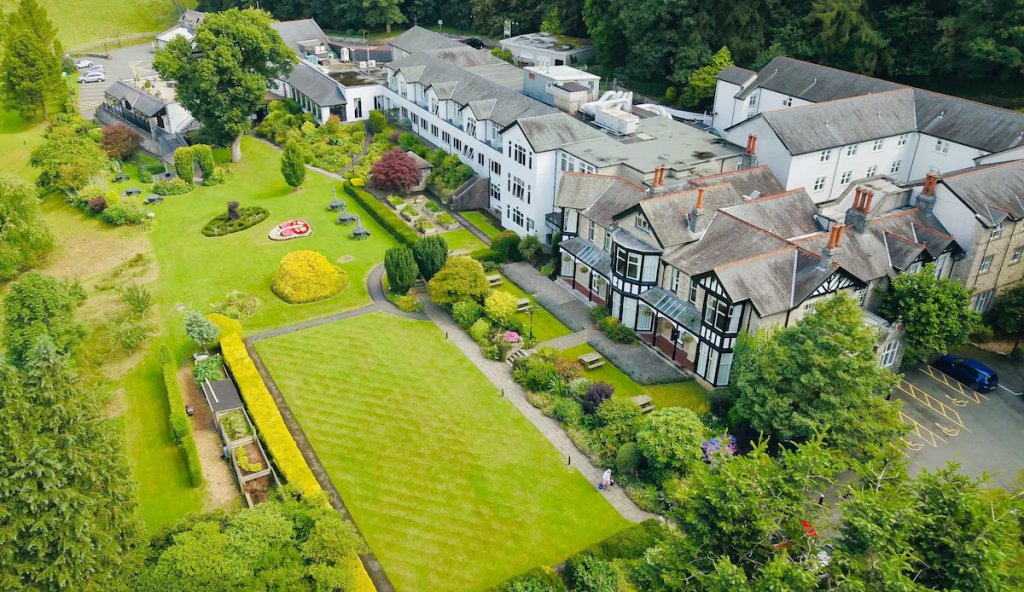
Best for: business trips, large conferences, and practical stopovers just outside the national park boundary.
Castle Green isn’t really a Lake District hotel in the traditional sense. Sitting just outside Kendal, a short drive from Windermere, it works best as a practical stopover rather than a destination you’d book for the setting alone.
What it lacks in location, it makes up for on the ground. The staff, from management to housekeeping and the bar team, regularly pull in praise for actually looking after guests, which counts for a lot when so many regional hotels run on autopilot.
There are 99 rooms in total, ranging from standard doubles up to the Herdwick Suites, which look out over the gardens and Kendal Castle. Room sizes vary quite a bit — some run narrow, while others give you plenty of space. Most feature walk-in showers rather than baths. On the plus side, every room comes with built-in air conditioning, which is a rare find in Cumbria.
The hotel is also clearly built for corporate demand, with multiple meeting rooms, a conference lounge, and parking for over 250 cars.
On-site leisure is straightforward: guests get free access to the health club’s indoor pool, steam room, and gym. The spa is available separately for booked treatments.
For food, you can choose between the Greenhouse Restaurant for main dinners or Alexander’s Pub on the grounds for casual meals. Note that pets are strictly banned throughout the hotel.
Grange Hotel — Grange-over-Sands
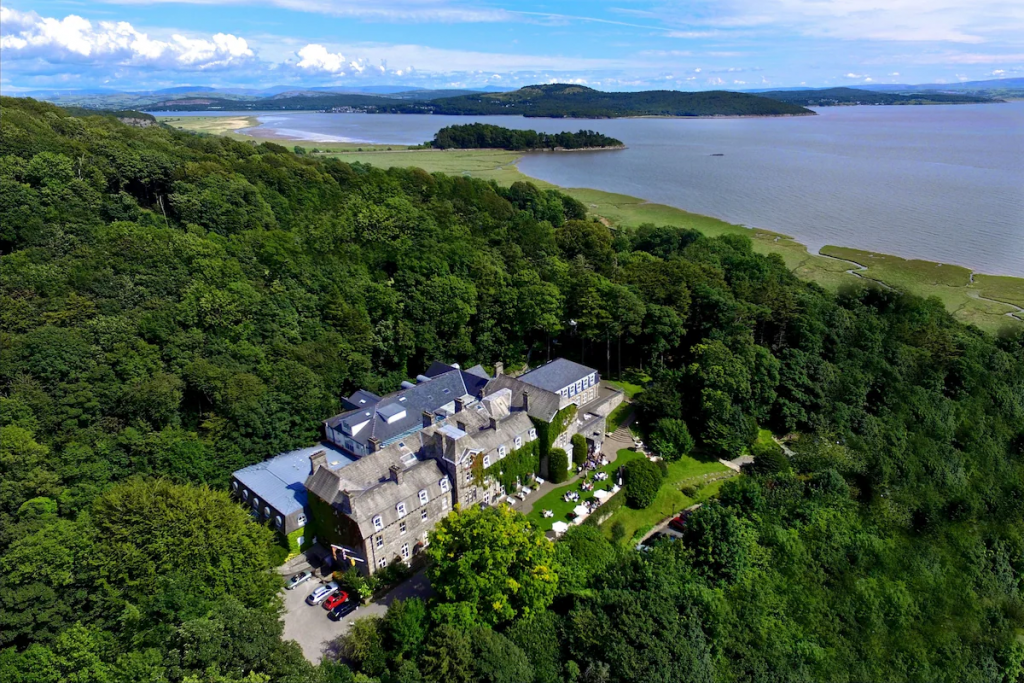
Best for: couples, quieter Lake District breaks, and visitors exploring the southern Lakes.
The Grange Hotel makes a very good first impression. The Victorian building is exactly what most people picture when they think of an old Lake District hotel, and the lounges keep that feeling going with open fires, high ceilings, and plenty of corners to disappear into after a day out. The experience becomes a little less consistent once you head upstairs, though.
The Broughton Suite sounds grand with its four-poster bed, in-room roll-top tub, and separate lounge, but the windows look directly into an internal atrium. If you want natural light and privacy, skip the suite and book a Superior Room facing the garden. You get proper views and plenty of daylight for less money.
A few details to keep in mind:
- Parking is tight for a 50-room hotel. Try to get there earlier in the afternoon to secure a spot out front.
- The indoor pool, jacuzzi, and steam room do the job for a warm soak after a long walk, though the space feels vintage rather than brand new.
- The breakfast buffet gets crowded fast. Going down during the first hour of service means a much calmer dining room, faster hot drink service, and a smoother start to the day.
The biggest draw here is the location on the Cartmel peninsula. You have easy access to Cartmel for sticky toffee pudding and fine dining, plus straightforward routes into the national park without sitting in central Bowness traffic.
What Makes a Hotel “The Nicest”? — Picks by Category
There isn’t one answer to that because people book the Lake District for completely different reasons. Some want a hotel they barely leave. Others only need somewhere comfortable after ten hours on the fells. A few care more about a good dinner than a spa or a lake view.
The Lake District hotels below all do something particularly well, but not necessarily the same thing.
If the Hotel Is the Whole Trip
Another Place isn’t the sort of hotel where you head out after breakfast and come back for dinner. The lake is right there, paddleboards and kayaks are lined up outside, the outdoor hot tub looks straight across Ullswater, and the restaurant has the same view. Plenty of guests spend an entire day on the property without feeling like they’ve missed anything.
If Walking Comes First
The Borrowdale Hotel makes life easy for walkers. Derwentwater is only a few minutes away, Grange is close enough for an evening wander, and bigger routes towards Catbells, Great Gable, and Honister don’t begin with a long drive.
Back at the hotel, there’s somewhere to dry wet boots and staff who know the local routes well enough to give useful advice instead of pointing towards a leaflet rack.
If a Spa Is Non-Negotiable
Plenty of regional hotels advertise a spa, but very few have one that guests book specifically to use. Lodore Falls Hotel & Spa is an exception. The outdoor hydrotherapy pool looking over Borrowdale, the thermal suite, and the amount of space dedicated to the spa make it feel like part of the holiday rather than an extra you squeeze in after dinner.
If Peace and Quiet Matter Most
Windermere gets the attention.
Ullswater usually gets the silence.
Hotels around Ullswater trade busy high streets and endless restaurant choices for mornings that are noticeably quieter. The difference is clear the moment breakfast finishes without tour coaches pulling up outside every twenty minutes.
If You Like Traditional Country House Hotels
The Grange Hotel doesn’t try to compete with newer boutique properties. It leans into what it already has: a Victorian building, high ceilings, wood-panelled lounges, open fires, and broad gardens looking towards Morecambe Bay. Anyone looking for sleek interiors will probably book somewhere else. Anyone who enjoys old country house hotels will understand the appeal almost immediately.
FAQ
If it’s your first visit, don’t overcomplicate it. Base yourself around Windermere or Ambleside. Yes, they’re busy, but there’s a reason almost everyone ends up there. The ferries, buses, and main roads all converge around this part of the park, which means you spend less time driving and more time actually seeing places.
Windermere has more hotels, more restaurants, and better transport connections, so it suits visitors who want a bit of everything. Keswick is for serious walkers.
Not always, but it certainly makes things easier. Windermere and Ambleside have good bus connections,so it’s possible to explore quite a bit without driving.
If the spa is one of the main reasons for booking, Lodore Falls Hotel & Spa stands out. The outdoor hydrotherapy pool overlooking Borrowdale is what most people remember.
Keswick and Borrowdale work well for bigger fell days, with routes towards Catbells, Great Gable, and Skiddaw all within easy reach. Ambleside is more central, which makes it a good choice for mixing shorter walks with longer days out across different parts of the national park.
Three nights is enough to get a feel for one part of the Lake District without rushing. Four or five gives you time to explore a couple of different valleys, fit in longer walks, and still have slower days by the water.